
Steel Fiber vs Macro-Synthetic Fiber for Industrial Floors: What to Compare Before Buying
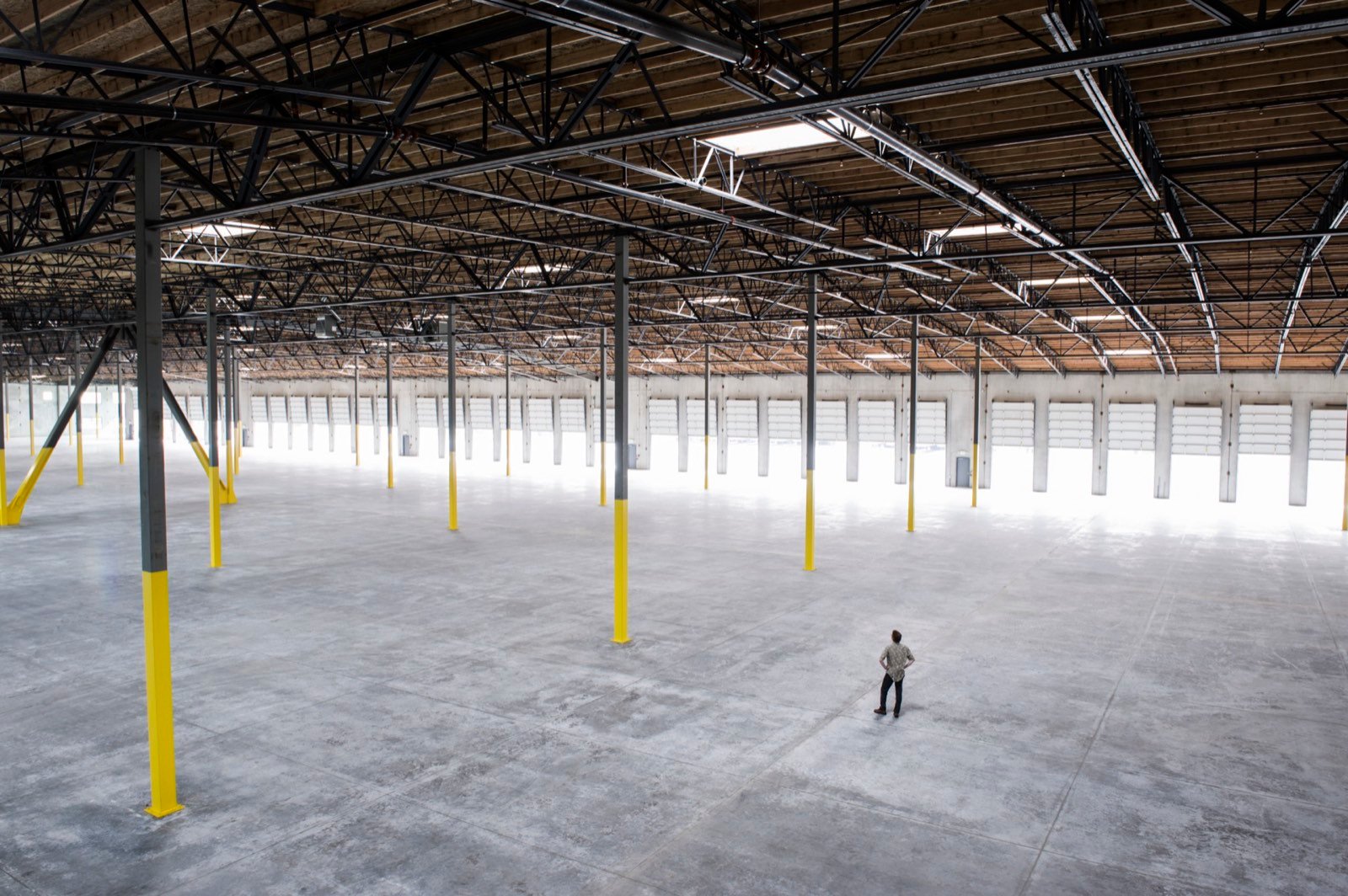
Steel fiber and macro-synthetic fiber can both contribute to post-crack performance in ground-supported industrial floors. The practical choice depends on the performance of the fiber-reinforced concrete, the loading conditions and the construction process.
For buyers, this means comparing residual strength, long-term crack behavior, surface requirements and installed cost. A quotation based only on fiber tensile strength or kilograms per cubic meter does not establish an equivalent floor solution.
This guide focuses on ground-supported floors. Suspended floors and pile-supported slabs require their own design assessment. [1]
In this guide 7 buying checkpoints + FAQs
First separate microfibers from macrofibers
A product described simply as “polypropylene fiber” may be intended for a very different job from the reinforcement in a loaded industrial floor.
PP microfibers are primarily used to help control plastic shrinkage cracking while concrete is fresh. They should not be credited with the structural post-crack performance required from a steel-fiber or macro-synthetic-fiber design. MICHEM’s polypropylene monofilament fiber belongs to this early-age crack-control discussion. [1]
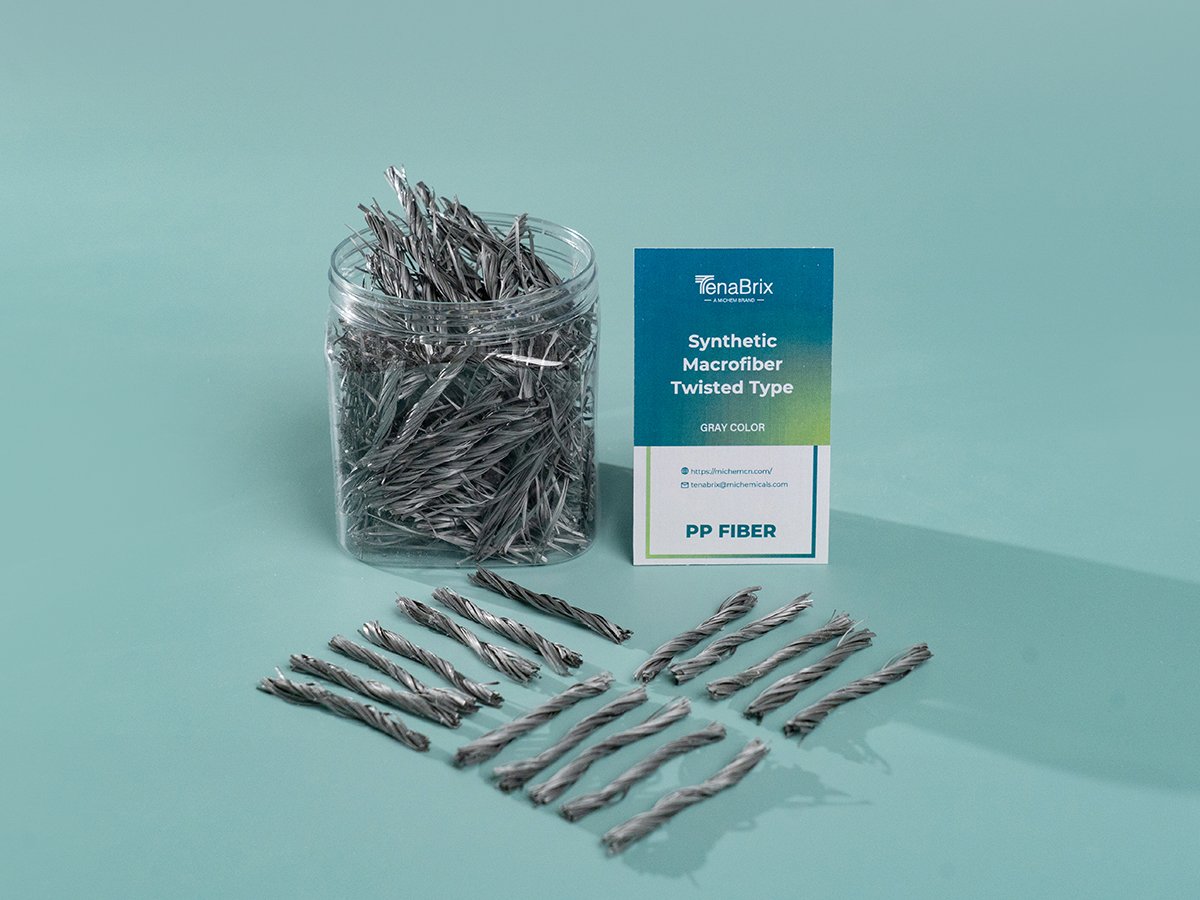
Macro-synthetic fibers are larger polymer fibers used to develop residual load-carrying capacity after concrete cracks, where the selected product and concrete have been qualified for that application. Some supplier catalogs, including MICHEM’s, use “Synthetic Steel Fiber” as a commercial family name. This does not make the product a metallic steel fiber. [2]
Steel fibers are metallic fibers. Their geometry, strength, bond with the concrete and distribution influence the response after cracking.
Keep two requirements separate in the specification: controlling early-age cracking and providing the required performance of hardened concrete. One generic entry for “fiber” leaves too much room for an unsuitable substitution.


Compare the two options against the same floor requirements
The following table is a screening checklist. It does not rank every steel fiber above or below every macro-synthetic product.
Scroll the table horizontally on smaller screens. Keyboard users can focus the table area and use the arrow keys.
| Comparison point | Steel-fiber option | Macro-synthetic-fiber option | What the buyer should request |
|---|---|---|---|
| Residual performance | Qualify the selected steel grade in concrete. | Qualify the selected polymer grade in concrete. | Test results at the crack openings or deflections required by the design. |
| Sustained loading | Review long-term behavior of the cracked composite. | Give particular attention to creep and continued crack opening under sustained load. | An engineering justification appropriate to the load duration and service conditions. |
| Surface appearance | Consider exposed fibers and potential staining from exposed carbon steel. | No steel-rust staining from the polymer fiber itself; visible fibers and finish still need review. | An agreed surface sample and exposure assessment. |
| Mixing and placement | Confirm dosing, dispersion and compatibility with the placing process. | Confirm dosing, dispersion and compatibility with the placing process. | A trial using the intended equipment and concrete. |
| Reinforcement substitution | Requires a design that identifies what the fibers can replace. | Requires a design that identifies what the fibers can replace. | Written reinforcement, joint and local-detail requirements. |
| Cost | Calculate using the dosage and floor design that meet the specification. | Calculate using the dosage and floor design that meet the specification. | Comparable installed quotations with the same scope and exclusions. |
Read the concrete test report before comparing the fiber data sheet
A fiber data sheet describes the incoming material. A concrete test report shows how that material works with a particular concrete.
High fiber tensile strength alone does not tell a buyer how much load a cracked slab can carry. The fibers must be dispersed, cross the crack and transfer force through their interaction with the concrete.
Product documentation and concrete testing answer different questions
For European specifications, EN 14889-1 covers steel fibers and EN 14889-2 covers polymer fibers. Ask for the current grade-level technical data, identification and applicable performance documentation. A product declaration does not, by itself, approve a complete slab design or a replacement ratio for steel mesh. [5]
A useful evidence package identifies the fiber grade and geometry, actual dosage, concrete mixture, specimen preparation, curing, test age, test method and reported statistical basis. Ask whether a number is an individual result, a mean or a characteristic value.
Understand EN 14651 results
EN 14651 determines the limit of proportionality and residual flexural tensile strengths using notched concrete beams. Its published scope concerns metallic-fiber concrete and combinations containing metallic fibers. When a macro-synthetic supplier presents results obtained using this method, ask how the testing and interpretation are accepted by the project specification and design method. [6]
Two reported values are:
- fR1: nominal residual flexural strength at a crack mouth opening displacement, or CMOD, of 0.5 mm.
- fR3: nominal residual flexural strength at a CMOD of 2.5 mm.
These are laboratory test coordinates. They are not the allowable crack widths of the finished floor, nor are they the tensile strength of the fiber itself. The designer must interpret the results for the project. [7]
Keep ASTM C1609 results on their own basis
ASTM C1609/C1609M evaluates fiber-reinforced concrete using a beam under third-point loading. Its residual strengths are measured at specified deflections.
An ASTM residual-strength value and an EN 14651 value are not interchangeable simply because both are expressed in MPa. Compare the specified method, specimen geometry and evaluation points. Short-term flexural results also do not, on their own, establish performance under years of sustained loading. [8]
Check sustained loads, joints and the actual working surface
A warehouse with permanent racks and repeated forklift traffic presents several different demands. The rack loads, wheel loads, loading positions and joint behavior need to be defined before a fiber recommendation can be meaningful.
Research comparing cracked concrete containing steel and two macro-synthetic fibers found different creep responses, with greater creep rates in the macro-synthetic concretes studied. The results support checking long-term crack behavior; they do not establish a universal pass/fail threshold for every commercial fiber. Steel-fiber concrete should not be described as having zero creep. [4]
For the project brief, record the support system, loading schedule, required serviceability, exposure and intended floor finish. Ask the designer to confirm slab thickness, joint layout and load transfer, along with any reinforcement needed around openings, columns or other local details.
Fibers do not remove the need for an appropriate base, curing or construction tolerances. These are separate contributors to floor performance. MICHEM’s industrial floor and slab application guide provides a starting point for organizing the application requirements. [3]
Agree on the finish through a trial
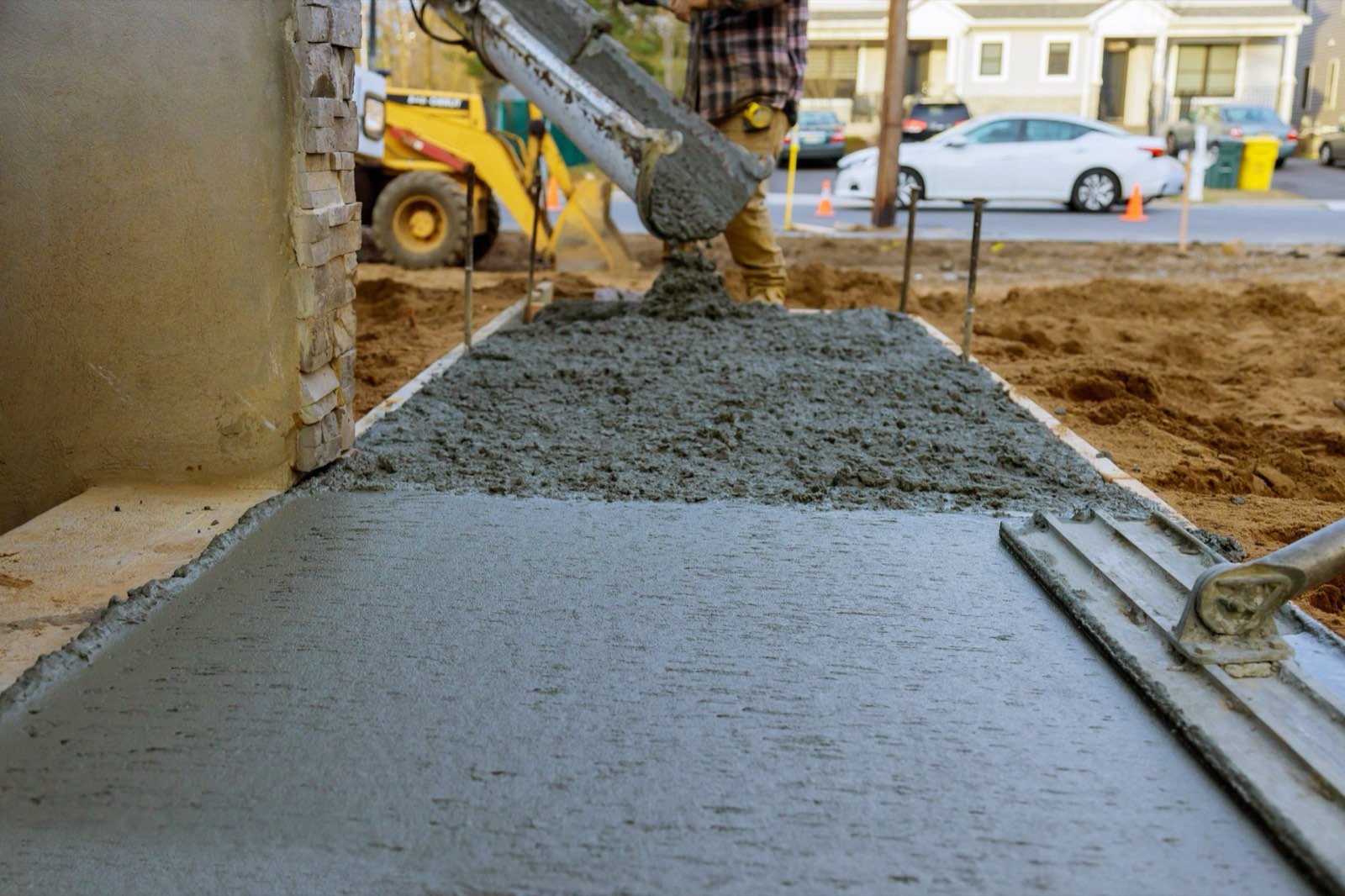
Use a representative trial to assess fiber distribution, discharge, pumping where applicable, finishing operations and the appearance of the hardened surface. Define what is acceptable for visible fibers, polishing or a subsequent coating.
Confirm the mixing sequence with the concrete producer and fiber supplier. If fiber addition reduces workability, review the mixture and evaluate an appropriate water-reducing admixture through trial batches instead of automatically adding water. Fiber characteristics can also affect surface finish and finishing methods. [9]
After agreeing on the test method and trial quantities, contact MICHEM about fiber samples and identify the exact grades being compared.
Compare dosage and cost on an equivalent-performance basis
There is no universal conversion such as one kilogram of macro-synthetic fiber replacing a fixed number of kilograms of steel fiber.
Equal mass does not mean equal fiber volume, distribution or performance. A fixed-dose laboratory comparison can help screen products, but procurement should compare each acceptable option at the dosage needed to meet the same project requirements.
For material budgeting:
Fiber material cost per m³ = accepted dosage in kg/m³ × delivered fiber price per kg.
Then compare the complete installed floor cost on a consistent area and scope. Include the concrete volume, fibers, remaining reinforcement, batching and placement labor, finishing, joints, curing and required testing. Include delivery and packaging on the same commercial basis.
Keep any predicted maintenance savings separate from the initial installed price. State the assumptions instead of presenting future savings as a measured result.
A cheaper fiber price is useful only when the resulting concrete and construction process satisfy the specification.
Match MICHEM product options to the evidence you need
MICHEM lists both steel fibers and macro-synthetic products. The following pages are relevant starting points for a technical inquiry:
MICHEM · Steel fibers
Hooked-End Steel Fiber
ask for the supplied grade, current dimensions, tensile properties, relevant conformity documents and concrete residual-performance evidence. A hooked shape alone does not establish an approved floor dosage.
MICHEM / TenaBrix · Macro-synthetic fibers
Twisted Macro-Synthetic Fiber
ask how the selected geometry performs at the proposed dosage, including dispersion, residual response and any necessary long-term verification.
MICHEM / TenaBrix · Macro-synthetic fibers
Embossed Macrofiber
ask for the exact grade and length, its concrete test results and evidence that the selected option suits the intended mixing and finishing process.
These product families provide choices for evaluation. Product-page descriptions should be followed by current documentation and project qualification before an order is specified for a structural role.

Send a project brief that produces a useful quotation
Give the supplier enough information to identify a realistic candidate. A useful inquiry includes:
- Floor application and support: warehouse, factory or logistics floor; ground-supported, pile-supported or suspended.
- Loading and service conditions: rack and wheel loads, loading positions, load duration, exposure and serviceability requirements.
- Concrete and placing process: target concrete properties, available mix information, equipment and finishing method.
- Design requirements: reinforcement drawings, joint requirements and the specified residual-performance test method and acceptance criteria.
- Evaluation scope: reference material, proposed trial quantities and the documents or test results required for approval.
- Commercial scope: estimated order quantity, destination, packaging and delivery schedule.
The required outcome is a documented candidate grade and a clear qualification process, followed by a quotation tied to the agreed technical and commercial scope.
Check whether the quotations are ready to compare
Scroll the table horizontally on smaller screens. Keyboard users can focus the table area and use the arrow keys.
| What the quotation contains | What is still missing | Next action |
|---|---|---|
| Fiber tensile strength and a price per kilogram | Concrete residual performance at the proposed dosage | Request the relevant concrete report before treating the offer as an equivalent reinforcement option. |
| An ASTM result for one option and an EN result for the other | A comparison accepted by the project’s design method | Ask the designer to define a common acceptance basis; do not compare the headline MPa values directly. |
| A saving that assumes all mesh is removed | An approved reinforcement schedule showing what remains | Recalculate the offer using the actual design scope. |
| A passing short-term beam result for a floor with sustained cracked-section demands | Appropriate long-term justification | Request the applicable creep evidence and design review before accepting the alternative. |
Frequently asked questions
Can macro-synthetic fibers replace steel mesh in an industrial floor?
They can be considered where the project’s design method and verified concrete performance support the substitution. The designer must identify the function of the existing mesh and which reinforcement or joint details remain necessary. A general product claim is not a replacement design. [10]
What dosage should I specify?
Specify the required floor and concrete performance first. Determine the dosage through the accepted design process and representative testing of the selected fiber and concrete. Generic dosage ranges are not proof that two products are equivalent.
Can PP microfibers be used together with steel or macro-synthetic fibers?
Does a higher fiber tensile strength guarantee a better floor?
No. Fiber tensile strength is one material property. The concrete’s residual response, distribution, construction quality and complete floor design determine whether the option meets the intended requirements.
Discuss your floor requirements with MICHEM
Send MICHEM your floor application, concrete information, loading requirements and the test documentation you need. Ask the team to identify suitable fiber grades for evaluation and confirm the available technical records, sample arrangements and supply terms.
For a commercial inquiry, include quantity, destination and packaging so the price corresponds to the proposed product and delivery scope.
Email your industrial-floor fiber inquiry to MICHEMcarrie@michemcn.com